

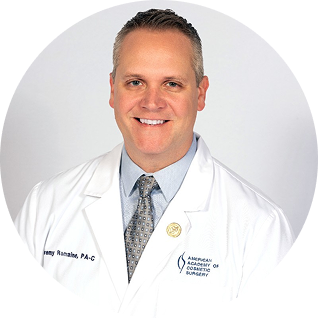
Jeremy Romaine, PA-C
Throughout history, hair has been a symbol of beauty, vitality, and self-expression.
Yet, hair loss is a growing concern for millions, affecting confidence and well-being. Statistics highlight its prevalence: two in three men experience hair loss by 35, and one in two women by 50. To address this widespread concern, Lumenis developed FoLix, the first and only FDA-cleared fractional laser for hair loss, offering a non-invasive solution.
To explore its real-world impact, we spoke with Jeremy Romaine, PA-C, an expert in cosmetic surgery and aesthetic medicine. As one of the first practitioners to adopt this technology on the West Coast, Romaine shares insights into how FoLix reshapes patient outcomes and practice growth.
Hi Jeremy, can you share your background and an overview of your current practice?
I’ve been a Physician Assistant since 2002, with my first 12 years focused on cosmetic surgery. I performed a wide range of procedures, from liposuction and facelifts to hair transplantation. In 2013, I joined Skin Perfect and opened my own locations in Glendora and Lancaster, California. We are a full-service medical spa offering treatments like injectables, chemical peels, facials, laser hair removal, and various aesthetic procedures.
What motivated you to add FoLix to your practice?
It addressed a major unmet need that I couldn’t fulfill.
Having worked in hair transplantation, I understood the demand for an effective, non-invasive hair loss solution. Before FoLix, I hadn’t found anything I could confidently recommend. I didn’t feel like there was any solution that could fit my patients’ needs. FoLix checks that box and allows us to provide a treatment I can ethically stand behind.
What was your process for evaluating FoLix before adopting it?
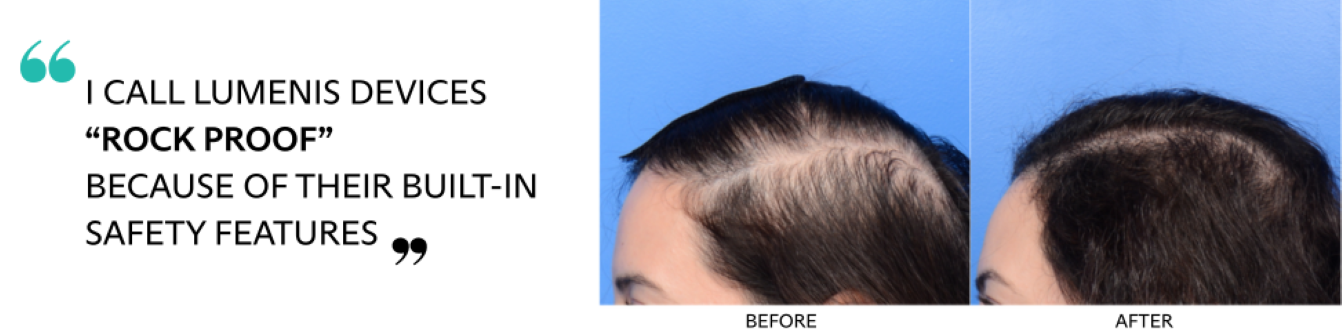
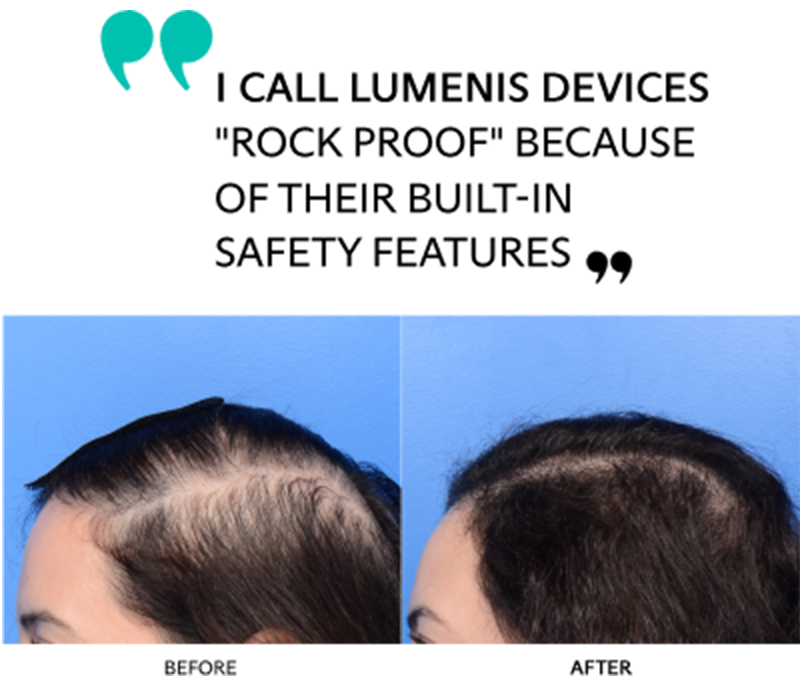
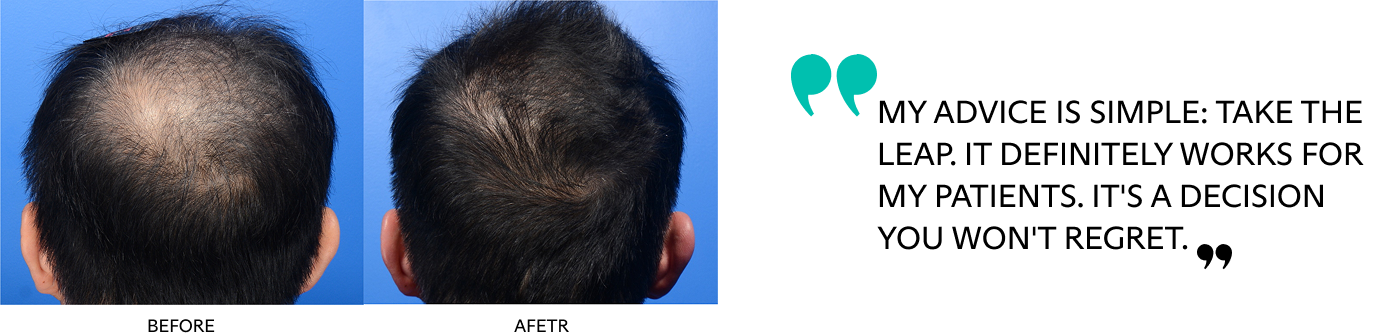
Initially, I was skeptical, but then, I received the abstract with the initial study results, including before-and-after photos. Those images were a game-changer for me. Unlike many hair treatment photos that can be misleading due to lighting or styling tricks, these clearly showed new hair growth in areas that previously had very little. I found the evidence to be compelling enough for me to take the leap.
How was the process of implementing FoLix and training your staff?
The integration was smooth. Lumenis provided excellent support throughout the process, from contract signing to delivery and training. Their team was highly knowledgeable and efficient, allowing us to hit the ground running. The device is user-friendly I call Lumenis devices “rock proof” because of their built-in safety features that prevent common errors or complications.
Our staff quickly mastered the technology. The training was clear and practical and provided valuable tips. We even incorporated advice from some of our patients who are hairdressers on how to part hair effectively for treatment. The FDA-cleared settings ensure consistent, reliable treatments every time.
One standout aspect was how quickly we were able to start treating patients. We had our website updated, marketing campaigns launched, and patients booked even before completing clinical training. This reflects both the system’s ease of use and Lumenis’s exceptional support.
What strategies did you use to introduce FoLix to your patients?
Naturally, our initial focus was on existing patients. We utilized multiple office screens to display monthly promotions, including those for FoLix, and integrated the valuable training and support materials provided by Lumenis. We launched an aggressive promotion to encourage patients to start treatment, with the understanding that their photos might be used to showcase results. This helped us quickly build a portfolio of real patient outcomes, which was essential in demonstrating the treatment’s effectiveness. Early on, I also used photos from Lumenis to explain why I adopted this technology. The visual evidence, paired with clear explanations of how FoLix works, made consultations straightforward FoLix essentially sells itself.
What does your consultation process for FoLix treatments involve?
My consultation process is designed to educate patients and set realistic expectations.
It includes:
Assessing the cause:
identifying the medical reasons behind hair loss and ruling out any underlying conditions, and evaluating whether FoLix is a suitable solution.
Explaining the technology:
detailing how FoLix works—using targeted laser energy for dermal coagulation, which boosts blood flow, cytokine activity, and stimulates hair follicles.
Discussing the treatment plan:
highlighting the need for multiple sessions and the expected timeline for results.
Using visual evidence:
presenting before-and-after photos of patients with similar hair loss patterns to provide a clear, realistic picture of potential outcomes.

What has been your patients’ response to FoLix treatments?
The response has been overwhelmingly positive.
In just a few months, we treated over 50 patients with more than 220 sessions, and the results were clear noticeable improvements in hair density and scalp coverage. Now that we’ve had FoLix for a year, we’ve treated over 100 patients with more than 500 treatments.
Younger patients in their 30s, particularly those in the early stages of hair thinning, often see dramatic progress after just one or two treatments, with visible new hair sprouts emerging. This immediate transformation is rewarding to witness and plays a key role in maintaining high patient satisfaction.
How has FoLix influenced your practice financially and contributed to its growth?
FoLix has had a significant positive impact on our practice. Within the first 6 months, we paid off one of our two devices, proving it to be a strong return on investment. While hair loss treatment is not the largest segment of our business, it has filled a critical gap in our offerings and generated additional revenue—especially valuable in the current economic climate.
Beyond the financial benefits, FoLix has also contributed to patient retention and practice growth. Around 65% of patients who start with FoLix transition to other treatments like injectables or laser procedures. The visible results build trust, encouraging patients to explore more of our offerings and strengthening long-term relationships.
Has being the first West Coast FoLix provider impacted your business?
Definitely! Being first to market has given us a significant regional edge and exclusivity. While it’s only a matter of time before other practices adopt the technology, there still aren’t many devices in this area, which helps us maintain a competitive advantage. Patients appreciate the opportunity to access such an innovative treatment close to home, and it positions us as leaders in aesthetic advancements.
What advice would you give to someone considering adding FoLix to their practice?
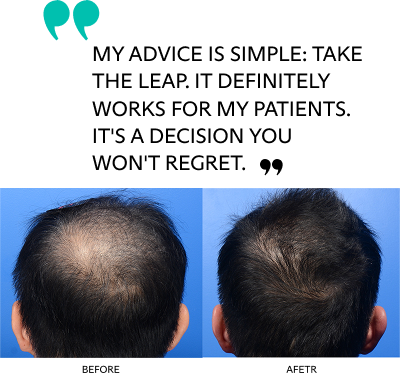
Trust the technology! I was a huge skeptic at first it almost seemed too good to be true but I took the leap and haven’t looked back. The results speak for themselves, and patients love it. If you’re on the fence, my advice is simple: take the leap. It definitely works for my patients. It’s a decision you won’t regret.
FoLix represents a long-awaited breakthrough in hair loss treatments by leveraging the power of fractional laser, offering a solution with no downtime and minimal discomfort for patients. As Jeremy Romaine’s experience demonstrates, FoLix provides patients with renewed confidence while empowering clinics to expand their offerings. Simple to use, seamlessly integrated, and highly effective, FoLix is advancing patient care and reshaping the future of aesthetic medicine.
A testimonial represents a specific experience of a paid spokesperson. The experience and results of others may vary.
FoLixTM indication for use: Improving the appearance of scalp hair in adult males and females with Fitzpatrick skin types I to IV, who are seeking treatment for hair loss.
Warnings and risks: FoLix treatment could cause redness, swelling, scarring, damage to natural skin texture (e.g., blisters), fragile skin, burns, hair shedding, itching, and pigmentation change. The use of FoLix is contraindicated for patients with any concurrent cancer or history of skin cancer, or pre-cancerous lesions at the treatment area, active infection, chronic fungal or bacterial diseases, or chronic dermatological condition of the scalp. See the system user manual for a complete list of contraindications and risks.
PB-00085320 Rev A